+(Medium).JPG) : One of the things we're having to learn is that, while the climate here is one of the best in the world, the seasons are more subtle and BACKWARD from seasons in the US. All that to say--as you move into autumn and prepare for winter, we are moving into spring and preparing for summer. We continue to enjoy our cozy home, and although you can't see it, we often lit a set of candles in our fireplace which did a passable job of taking the chill
: One of the things we're having to learn is that, while the climate here is one of the best in the world, the seasons are more subtle and BACKWARD from seasons in the US. All that to say--as you move into autumn and prepare for winter, we are moving into spring and preparing for summer. We continue to enjoy our cozy home, and although you can't see it, we often lit a set of candles in our fireplace which did a passable job of taking the chill .JPG) out of the air. Many days during the winter months, since none of the buildings have central heating, the temperature in our offices at the beginning of the day was in the "brisk" low 60's before we turned the space heaters on. Nan's sister Patti was here most of August, and to warm ourselves up during one of the coldest (50-80) months of the year, we took a wonderful trip to Mombasa, Kenya's principal seaport city on the Indian Ocean. More on that in another section.
out of the air. Many days during the winter months, since none of the buildings have central heating, the temperature in our offices at the beginning of the day was in the "brisk" low 60's before we turned the space heaters on. Nan's sister Patti was here most of August, and to warm ourselves up during one of the coldest (50-80) months of the year, we took a wonderful trip to Mombasa, Kenya's principal seaport city on the Indian Ocean. More on that in another section.YOUTH CONFERENCE SUCCESS: Two weeks ago we had our first "Africa Ablaze" youth conference: 230 student delegates from 14 different African countries joined excellent pastors, academics, and business leaders who gave presentations on personal purity and holiness, male-female relationships, dealing with the mass media, integrity versus corruption and other issues relevant to African young people. Nan and Patti and I were privileged to attend several services and breakouts, and the wonderful Sunday services featuring Dr. Eugenio Duarte, our Africa regional director, and an evening praise and worship dinner. During his part of the presentation, when Mark asked students if they pledged to take the "fire" from the Africa Ablaze conference to their home institutions and countries, every hand went up. ANU students have pleaded first to do another conference in December (their next break--not possible!) and then to be SURE we do another conference next year, and that's already in the works. Please be praying that the Lord will use these students' enthusiasm and passion to set a fire in Africa that will impact the continent for the Lord!
AFRICAN FRIENDS AND COLLEAGUES: We are very much enjoying the people we're working
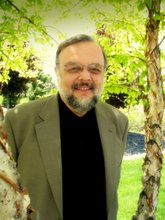
.JPG) with and want to introduce you to some more people. The handsome man with the mustache to the left is Professor Isaac Kigatiira. (At some Christian institutions in the US, being called "Professor" sometimes means you don't have a doctorate. Here it means you have fully arrived professionally.) He is the foremost East African expert on bees, former director of the Kenya Beekeepers Association, Ph.D. from Cambridge, and the chair of our dryland farming department. That may seem like an obscure "major", but with 85% of Kenyan land arid or semi-arid, there is a huge need for people to teach farmers how to use water carefully, grow crops with low water need, etc. Professor Kigatiira has a wonderful sense of humor and is a passionate Christian. We attended his daughter's wedding on Saturday, and Nancy was asked to pray the blessing on the newlyweds. He just received a second million shilling government grant to support African women who are using bees to grow sunflowers, pressing the flowers into sunflower oil and selling both the oil and the honey! It's changing lives in Africa. When you pray, you might pray for Professor Kigatiira's daughter Kinya and her husband Enoch as they begin their new lives together. You might also pray for the women in Professor Kigatiira's sunflower project, that they can continue to learn how to support themselves and their children.
with and want to introduce you to some more people. The handsome man with the mustache to the left is Professor Isaac Kigatiira. (At some Christian institutions in the US, being called "Professor" sometimes means you don't have a doctorate. Here it means you have fully arrived professionally.) He is the foremost East African expert on bees, former director of the Kenya Beekeepers Association, Ph.D. from Cambridge, and the chair of our dryland farming department. That may seem like an obscure "major", but with 85% of Kenyan land arid or semi-arid, there is a huge need for people to teach farmers how to use water carefully, grow crops with low water need, etc. Professor Kigatiira has a wonderful sense of humor and is a passionate Christian. We attended his daughter's wedding on Saturday, and Nancy was asked to pray the blessing on the newlyweds. He just received a second million shilling government grant to support African women who are using bees to grow sunflowers, pressing the flowers into sunflower oil and selling both the oil and the honey! It's changing lives in Africa. When you pray, you might pray for Professor Kigatiira's daughter Kinya and her husband Enoch as they begin their new lives together. You might also pray for the women in Professor Kigatiira's sunflower project, that they can continue to learn how to support themselves and their children.The gentleman to the right is Dr. Raphael Kiugu. He is a wonderful, positive and pleasant
.JPG) colleague. His office is just down the hall from Nancy's and he is officially Mark's assistant, but they work cheerfully together without having to talk much about reporting lines. He received his Ph.D. at SUNY-Albany and worked for a few years as education coordinator for a Catholic Diocese in New York State. Right now, he is in Germany by invitation of a University there attending a Quality Assurance conference. When you pray, you might pray for safe travel for Dr. Kiugu and that he can stay on top of the important tasks he's doing for the University.
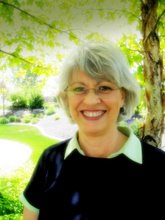
colleague. His office is just down the hall from Nancy's and he is officially Mark's assistant, but they work cheerfully together without having to talk much about reporting lines. He received his Ph.D. at SUNY-Albany and worked for a few years as education coordinator for a Catholic Diocese in New York State. Right now, he is in Germany by invitation of a University there attending a Quality Assurance conference. When you pray, you might pray for safe travel for Dr. Kiugu and that he can stay on top of the important tasks he's doing for the University.The lady to the left is Charity Waithima, our "examinations officer." Exams
.JPG) are a very big deal in Africa, but Charity, who has a masters degree herself and whose husband is in a doctoral program in South Africa, is up to the job. She was dramatically saved as a high school student and now, in addition to her duties at ANU, is a powerful preacher often called upon to preach in her church or to speak in women's retreats. Just last week when she and Mark met to prepare for Faculty Workshop today, they prayed that her husband might find school fees to do the next semester of his doctoral program. That prayer was answered, praise the Lord, but when you pray, you might pray that the Lord would open similar doors when next semester's fees must be paid.
are a very big deal in Africa, but Charity, who has a masters degree herself and whose husband is in a doctoral program in South Africa, is up to the job. She was dramatically saved as a high school student and now, in addition to her duties at ANU, is a powerful preacher often called upon to preach in her church or to speak in women's retreats. Just last week when she and Mark met to prepare for Faculty Workshop today, they prayed that her husband might find school fees to do the next semester of his doctoral program. That prayer was answered, praise the Lord, but when you pray, you might pray that the Lord would open similar doors when next semester's fees must be paid.Can we state the obvious: the stereotypes about Americans are both kind of true and often very not true because individuals can't be captured by any stereotype, any preconception. The same is true here. These are real, wonderful people: bright, very well-educated, capable, passionate about Jesus. We feel privileged to be working with them.


.JPG)
.JPG)
.JPG)
.JPG)
.JPG)
.JPG) After a good breakfast and four more hours of travel, the train finally pulled into the Mombasa train station at 11AM--SIXTEEN HOURS after we had left Nairobi. A driver we had arranged for picked us up and took us to our hotel--a kind of faded resort directly on the Indian Ocean. We mainly crashed the rest of the afternoon, but took a walk on the beach in the evening and then spent the next day exploring Mombasa. It's famous for the ancient doors on several of the buildings in the old city. More pictures follow.
After a good breakfast and four more hours of travel, the train finally pulled into the Mombasa train station at 11AM--SIXTEEN HOURS after we had left Nairobi. A driver we had arranged for picked us up and took us to our hotel--a kind of faded resort directly on the Indian Ocean. We mainly crashed the rest of the afternoon, but took a walk on the beach in the evening and then spent the next day exploring Mombasa. It's famous for the ancient doors on several of the buildings in the old city. More pictures follow..JPG)
.JPG)
.JPG)
.JPG)
.JPG)
.JPG) Bob and Kim Cantrell from our home church in Nampa are coming in a week and planning to spend part of their time in Mombasa. These are some of the things they will see, and if you come, these are some of the things you will see as well. At the risk of "spiritualizing" things (we're glad to take the risk), the Muslim movement is on the march in Africa. There are many mosques--large and small--in Nairobi and the overwhelming number of places of worship in Mombasa are mosques. We'd ask you to pray for the Nazarene churches and for other Christian churches in the Mombasa area, that God will move in a mighty way and that people will understand the transforming Good News of the gospel.
Bob and Kim Cantrell from our home church in Nampa are coming in a week and planning to spend part of their time in Mombasa. These are some of the things they will see, and if you come, these are some of the things you will see as well. At the risk of "spiritualizing" things (we're glad to take the risk), the Muslim movement is on the march in Africa. There are many mosques--large and small--in Nairobi and the overwhelming number of places of worship in Mombasa are mosques. We'd ask you to pray for the Nazarene churches and for other Christian churches in the Mombasa area, that God will move in a mighty way and that people will understand the transforming Good News of the gospel..JPG)
.JPG)
.JPG)
+(2).JPG)
.JPG)
.JPG)
.JPG)
.JPG)
.JPG)
.JPG)